
Sustainable Building Practices in Renovation
- Cody Lauderdale
- Jan 5
- 3 min read

Renovating a building offers a unique opportunity to improve its functionality, aesthetics, and value. However, it also presents a chance to incorporate sustainable building practices that reduce environmental impact and promote long-term efficiency. Sustainable renovation is about more than just using eco-friendly materials; it involves a holistic approach that considers energy use, waste reduction, water conservation, and indoor environmental quality. This article explores practical strategies and examples to help you embrace sustainable building practices in renovation projects.
Understanding Sustainable Building Practices in Renovation
Sustainable building practices focus on minimizing the negative effects of construction and renovation on the environment while enhancing the health and comfort of occupants. In renovation, this means carefully assessing the existing structure and making informed decisions that prioritize resource efficiency and environmental responsibility.
Key principles include:
Energy Efficiency: Upgrading insulation, windows, and HVAC systems to reduce energy consumption.
Material Selection: Using recycled, reclaimed, or low-impact materials.
Waste Reduction: Minimizing demolition waste and recycling materials.
Water Conservation: Installing water-efficient fixtures and systems.
Indoor Air Quality: Choosing low-VOC paints and finishes to improve air quality.
By integrating these principles, renovation projects can significantly reduce their carbon footprint and operational costs.
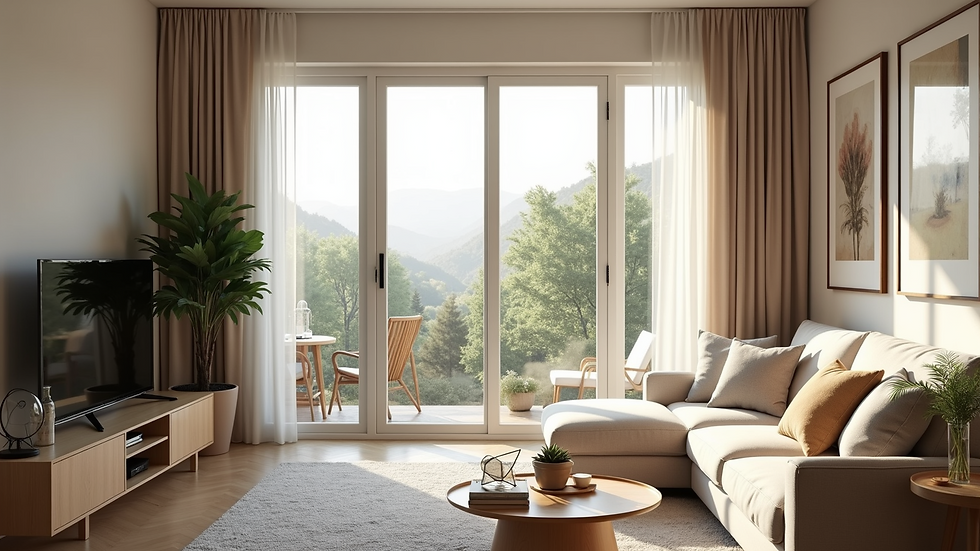
Practical Sustainable Building Practices for Renovation
Implementing sustainable building practices during renovation requires a strategic approach. Here are some actionable recommendations:
1. Conduct a Comprehensive Building Assessment
Before starting any renovation, perform an energy audit and structural assessment. This helps identify areas where improvements will have the greatest impact, such as:
Insulation gaps
Air leaks around doors and windows
Inefficient heating and cooling systems
2. Upgrade Insulation and Windows
Improving insulation in walls, roofs, and floors reduces heat loss in winter and heat gain in summer. Consider materials like cellulose, sheep’s wool, or recycled denim insulation. Replace single-pane windows with double or triple glazing to enhance thermal performance.
3. Use Sustainable and Recycled Materials
Choose materials with low environmental impact. Examples include:
Reclaimed wood for flooring or cabinetry
Bamboo, a fast-growing renewable resource
Low-VOC paints and finishes to reduce indoor pollution
4. Install Energy-Efficient Systems
Replace outdated HVAC units with energy-efficient models. Consider integrating smart thermostats and LED lighting to further reduce energy use.
5. Manage Waste Responsibly
Plan demolition carefully to salvage materials for reuse or recycling. Partner with local recycling centers to divert waste from landfills.
6. Incorporate Water-Saving Fixtures
Install low-flow faucets, dual-flush toilets, and rainwater harvesting systems to reduce water consumption.
7. Enhance Indoor Air Quality
Use non-toxic materials and ensure proper ventilation to maintain a healthy indoor environment.

Benefits of Sustainable Building Practices in Renovation
Adopting sustainable building practices during renovation offers numerous advantages:
Cost Savings: Reduced energy and water bills through efficient systems.
Environmental Impact: Lower carbon emissions and less waste.
Health and Comfort: Improved indoor air quality and thermal comfort.
Increased Property Value: Growing demand for green buildings boosts resale value.
Regulatory Compliance: Meeting or exceeding local building codes and standards.
For example, upgrading insulation and windows can reduce heating and cooling costs by up to 30%. Using reclaimed materials not only saves resources but also adds unique character to the space.
Overcoming Challenges in Sustainable Renovation
While the benefits are clear, sustainable renovation can face obstacles such as:
Higher Upfront Costs: Some eco-friendly materials and systems may have higher initial prices.
Limited Availability: Access to sustainable materials can vary by region.
Technical Complexity: Integrating new systems into old structures requires expertise.
To overcome these challenges:
Prioritize upgrades with the best return on investment.
Source materials locally to reduce transportation emissions and costs.
Work with experienced contractors familiar with sustainable practices.
Future Trends in Sustainable Renovation
The future of sustainable renovation is promising, with innovations such as:
Smart Home Integration: Automated systems that optimize energy and water use.
Circular Economy Approaches: Designing renovations for easy disassembly and material reuse.
Advanced Materials: Development of bio-based and self-healing materials.
Staying informed about these trends can help you plan renovations that remain efficient and relevant for years to come.
Taking the Next Step Toward Sustainable Renovation
Embracing sustainable building practices in renovation is a meaningful way to contribute to environmental stewardship while enhancing your property. Start by evaluating your current building’s performance and identifying key areas for improvement. Collaborate with professionals who understand sustainable design and construction. Remember, even small changes can make a significant difference over time.
By integrating these strategies, you can create a renovated space that is not only beautiful and functional but also responsible and resilient.




Comments